How to Waterproof Clothing Fabrics: The Complete Answer
The most effective way to waterproof clothing fabrics is to combine a physical moisture barrier layer — such as a laminated membrane or a tightly woven DWR-treated shell — with structural reinforcement through interlining. Interlining, the hidden layer bonded or sewn between the outer fabric and the lining, plays a critical role in maintaining waterproof performance: it controls how water pressure is distributed across the textile, prevents delamination of coatings, and adds dimensional stability so seams remain tight enough to block moisture ingress.
Whether you are a garment manufacturer selecting materials for an outdoor jacket, a tailor retrofitting an existing piece, or a product developer sourcing technical interlining for waterproof workwear, this guide explains every proven technique, the science behind each method, and how interlining choice affects the final result.
Understanding How Fabric Gets Wet — and Why It Matters
Before choosing a waterproofing method, it helps to understand the two distinct mechanisms that allow water to enter a fabric. The first is hydrostatic pressure penetration — water physically forced through a textile's weave or pores under pressure, such as rain hitting a jacket at speed or a knee pressing on wet ground. The second is wicking and capillary absorption — water drawn into fiber bundles by surface tension, which is what makes an untreated cotton shirt feel soaked in light drizzle even before rain penetrates by pressure.
Different waterproofing approaches address one or both of these mechanisms. DWR (durable water repellent) finishes handle capillary absorption at the outer surface. Membranes and coatings block pressure-driven penetration. Interlining, positioned between layers, governs the structural integrity of the whole assembly — if the interlining migrates, bunches, or delaminates, even the best outer coating fails at the seams and stress points.
Hydrostatic head ratings, measured in millimeters of water column that a fabric can withstand before leaking, are the standard benchmark. According to testing standards commonly cited by fabric mills:
- Below 1,000 mm H₂O: water-resistant, not waterproof
- 1,500–5,000 mm H₂O: suitable for light to moderate rain
- 5,000–10,000 mm H₂O: heavy rain and outdoor sports use
- 10,000–20,000+ mm H₂O: technical mountaineering and extreme weather gear
Achieving and maintaining a high hydrostatic head rating depends as much on correct interlining and seam tape specification as on the outer shell itself.
Five Proven Methods to Waterproof Clothing Fabrics
DWR (Durable Water Repellent) Treatment
DWR is a chemical finish applied to the outer surface of woven or knit fabrics. The treatment causes water droplets to bead up and roll off rather than spreading across fibers. Original C8-based fluoropolymer DWR formulas offered excellent durability but have been largely replaced by C6 and C0 (fluorine-free) alternatives due to environmental concerns.
DWR works best as the first line of defense on top of a membrane or coating, not as a standalone solution. When DWR wears off — which it does with repeated washing — water saturates the outer shell, adding weight and reducing breathability even if the membrane beneath is still intact. This phenomenon is called "wetting out."
DWR can be reactivated by tumble drying on low heat for 20 minutes, and reapplied using spray-on or wash-in products such as Grangers Performance Repel Plus or Nikwax TX.Direct.
Waterproof Breathable Membranes (e.g., GORE-TEX, eVent)
A waterproof breathable membrane is a thin polymer film — typically expanded polytetrafluoroethylene (ePTFE) or polyurethane (PU) — laminated directly to the back of the outer shell fabric. The membrane contains billions of microscopic pores: too small for liquid water droplets to pass through, but large enough for water vapor molecules to escape.
GORE-TEX, a product of W. L. Gore & Associates, is the best-known membrane brand. Their 3-layer construction bonds the outer shell, membrane, and backer fabric into a single integrated textile, eliminating the need for a separate lining in many garments. The interlining in a 3-layer laminate construction is effectively built into the composite.
eVent and Polartec NeoShell are alternative membranes that use "direct venting" technology, where pores remain open without a PU coating — resulting in higher breathability ratings at the cost of some durability.
Polyurethane (PU) and Thermoplastic Polyurethane (TPU) Coatings
Coating the back of a fabric with PU or TPU creates a solid, non-porous film that completely blocks water penetration. Unlike membranes, coatings are not breathable — they trap vapor inside the garment — but they are significantly cheaper to produce and highly durable.
PU coatings are widely used in workwear, rain pants, ponchos, luggage, and tents. TPU — a more flexible and recyclable variant — is increasingly used in performance outerwear where some structure is needed without the weight penalty of heavier coatings. A 5,000 mm hydrostatic head rating is achievable with a standard 1.5 oz/yd² PU coating on a 70D nylon shell.
When interlining is bonded beneath a PU-coated outer shell, it must be specified carefully: a non-woven fusible interlining that resists moisture absorption prevents swelling and delamination of the PU film at the bond points.
Seam Sealing and Taping
Even the most waterproof fabric fails at stitch holes. Every needle penetration creates a puncture through which water can travel. Seam sealing is the process of applying waterproof tape or liquid sealant over seams after stitching.
There are three grades of seam treatment: critically taped (only high-stress seams sealed), fully taped (all seams sealed), and fully seam-welded (seams bonded rather than stitched, leaving no holes). Seam tape is typically a thin PU or PVC tape heat-bonded over the seam allowance using a seam-sealing machine.
Where interlining is used in the body panels, the seam allowance must be clean and flat before taping — a well-fused interlining prevents seam allowances from fraying or rolling, which would compromise tape adhesion.
Wax-Based Waterproofing (Traditional and Modern)
Waxing fabrics — particularly cotton canvas — is one of the oldest waterproofing techniques, used in sailing, hunting, and military apparel for centuries. Traditional beeswax or paraffin wax fills the gaps between cotton fibers, blocking water while preserving the natural hand of the fabric.
Modern formulations like Martexin Original Wax (used by brands including Filson and Barbour) and Otter Wax blend microcrystalline waxes with silicone compounds for improved durability. Waxed cotton typically achieves 500–1,500 mm hydrostatic head — sufficient for light rain and field use, but not for sustained downpours.
Wax-treated garments cannot use a standard thermally fused interlining because the solvent in many wax formulations attacks the adhesive resin. Woven sew-in interlining or cotton canvas interlining is the appropriate structural choice for waxed outerwear.
The Role of Interlining in Waterproof Garment Construction
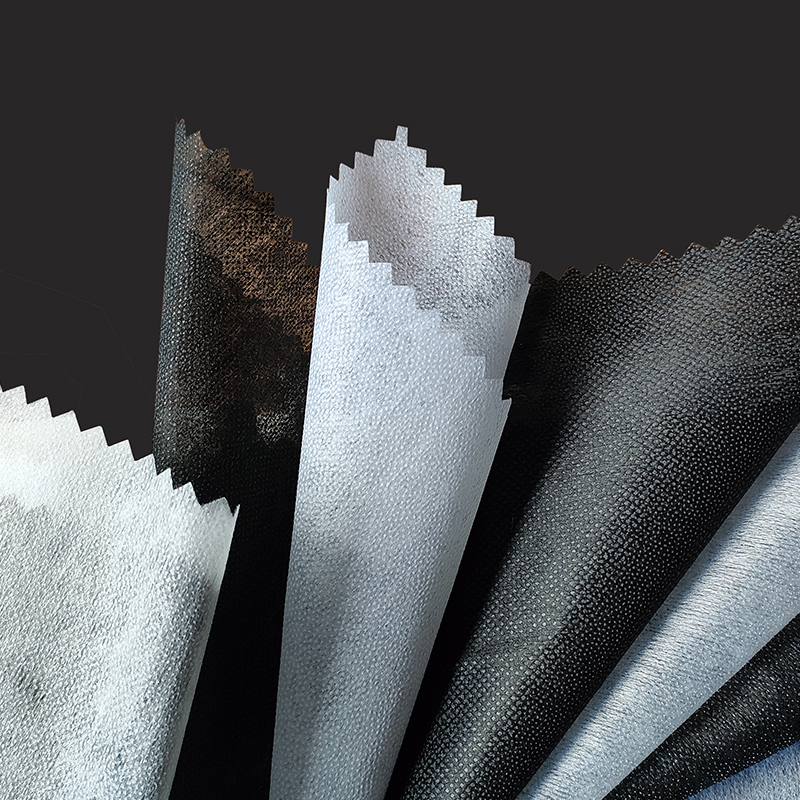
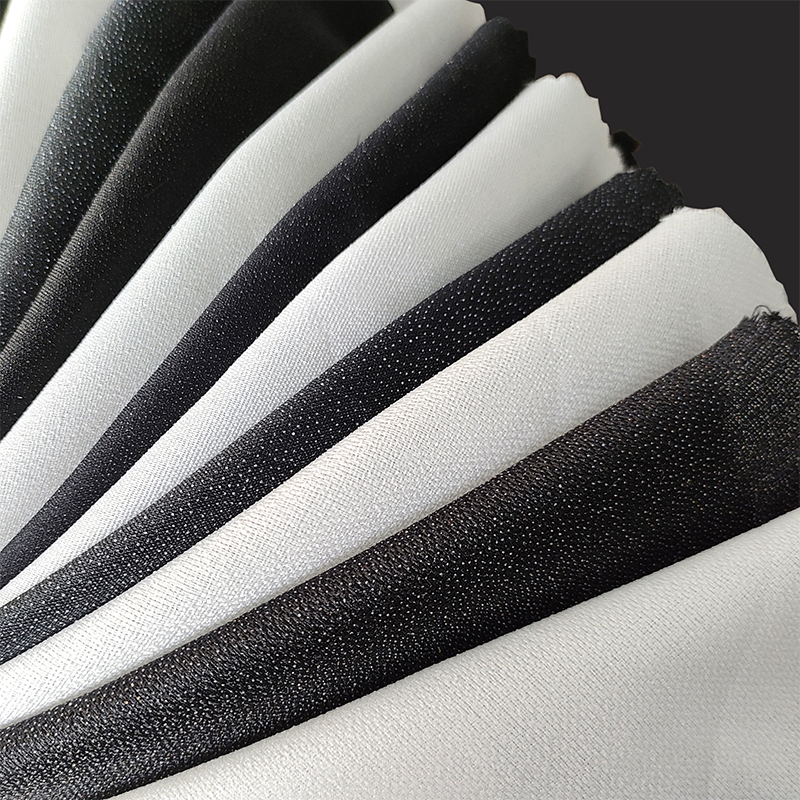
Interlining is the hidden layer sandwiched between the face fabric and the lining. In conventional garment construction, interlining provides body, shape retention, and structural support to collars, cuffs, plackets, and front bands. In waterproof garments, interlining takes on additional functional responsibilities — and selecting the wrong type is one of the most common causes of waterproof failure in the field.
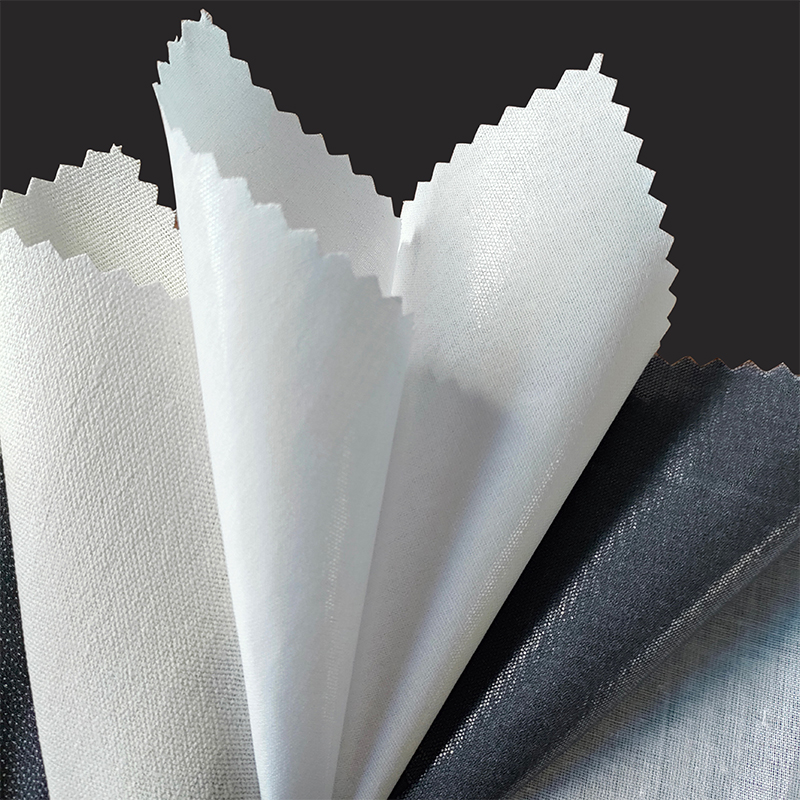
Fusible Non-Woven Interlining
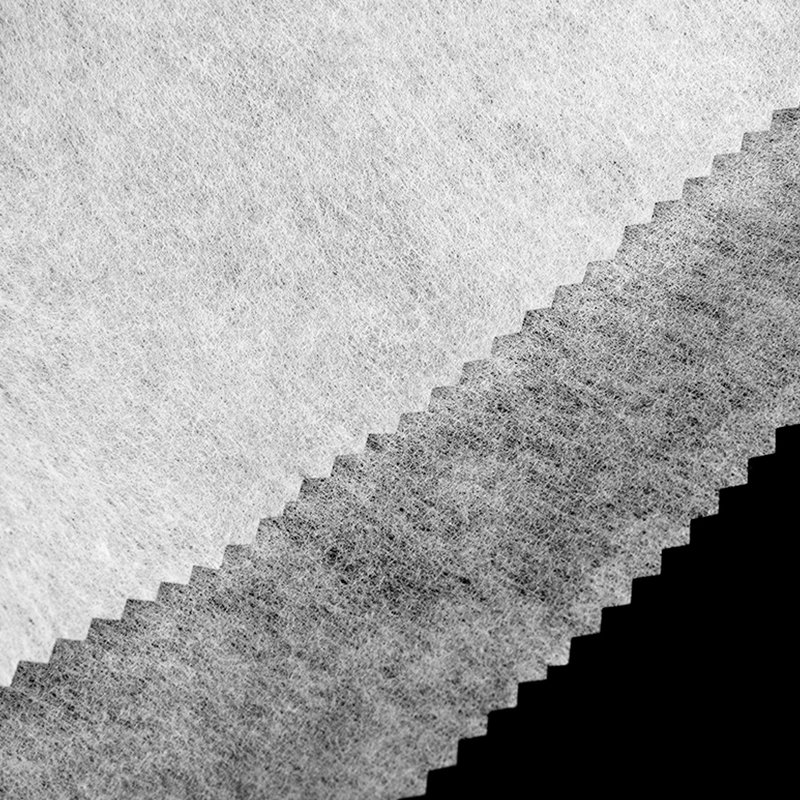
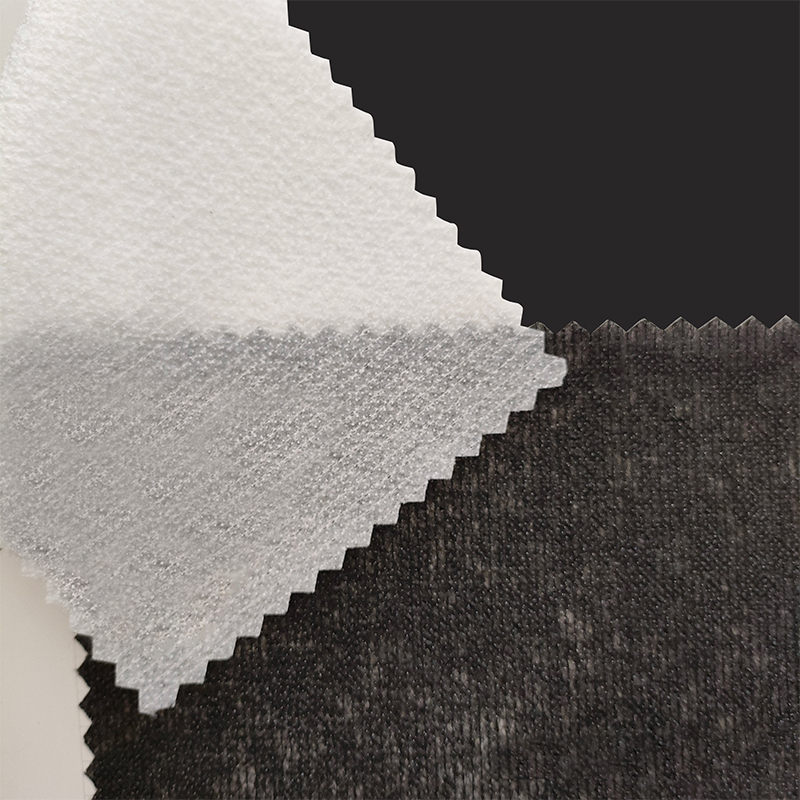
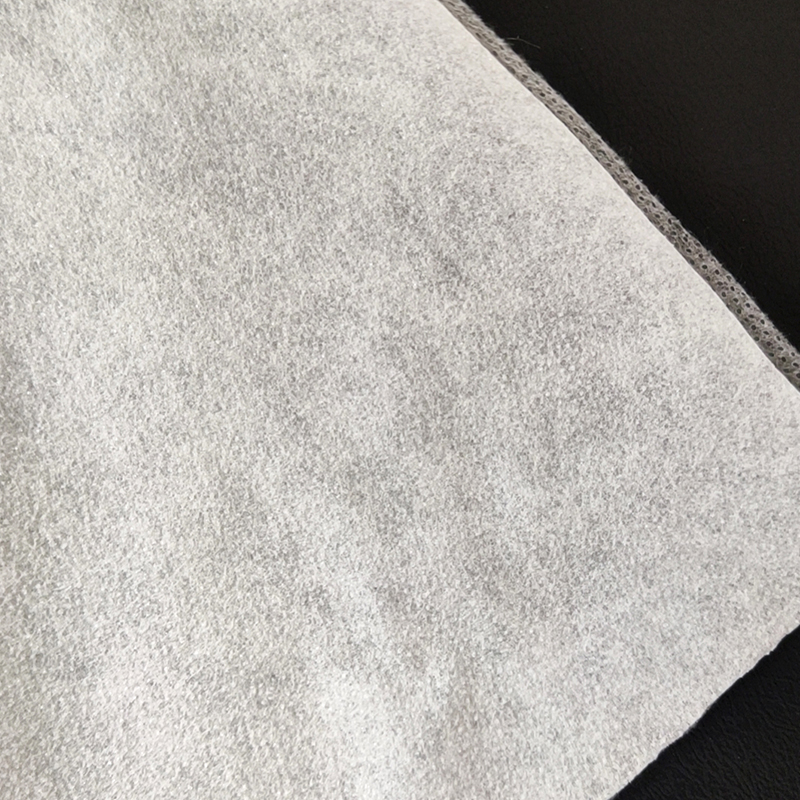
Non-woven fusible interlining — bonded to the face fabric using a thermoplastic adhesive resin activated by heat and pressure — is the most common type used in outerwear. For waterproof applications, a low moisture regain (below 1.5%) non-woven interlining is essential. Interlinings with higher moisture absorption swell when wet, creating stress on the adhesive bond and causing bubbling or delamination of the waterproof coating or membrane above.
Manufacturers such as Freudenberg (Germany), Kufner (Germany), and Wendler (Germany) produce technical interlining grades specifically rated for outerwear and waterproof applications. The adhesive resin dot pattern must be fine enough that it does not telegraph through thin shell fabrics, and fusing parameters (temperature 135–160°C, pressure 2–4 bar, dwell time 12–18 seconds) must be validated for the shell fabric used.
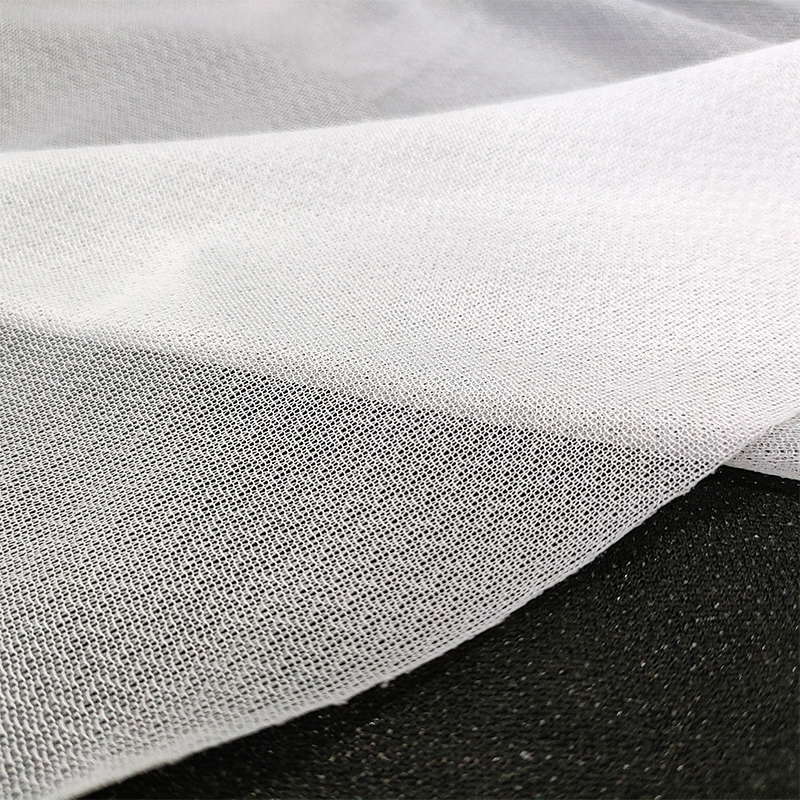
Woven Sew-In Interlining
Woven sew-in interlining is used where fusing is not suitable — including wax-treated garments, leather outerwear, and high-drape performance shells where a fusible bond would stiffen the hand unacceptably. Sew-in interlining is basted or catch-stitched to the face fabric and does not require heat activation.
In waterproof contexts, woven interlining in collar stands, plackets, and chest areas prevents those panels from flexing open at the seams under water pressure. It also distributes tension evenly across seams, reducing the strain on seam tape or stitch lines during wear.
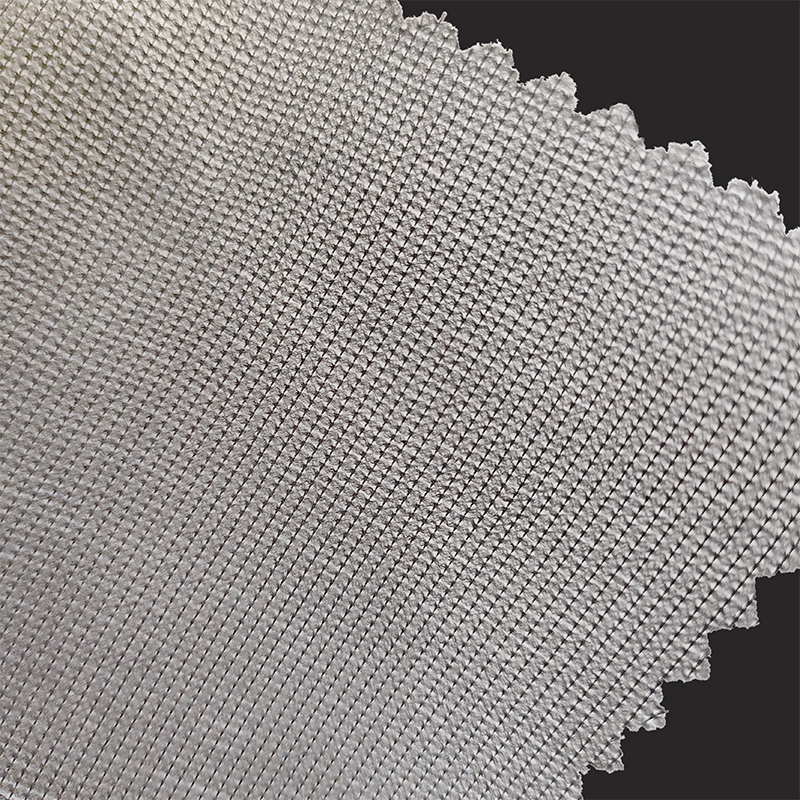
Knit (Tricot) Interlining
Knit interlining — produced on warp-knit machines, typically from polyester — provides stretch recovery and is used in stretch outerwear and active sports garments. For waterproof stretch jackets (such as ski shells with 4-way stretch membranes), a compatible stretch interlining prevents the interlining from restricting range of motion while still providing structure at pocket openings, zip fly strips, and hood adjustment panels.
The challenge with knit interlining in waterproof garments is ensuring that the adhesive bond does not crack under repeated flex — a critical specification point when sourcing interlining for activewear.
Waterproofing Method Comparison: Key Performance Data
| Method | Hydrostatic Head | Breathability | Durability | Interlining Compatibility | Cost Range |
|---|---|---|---|---|---|
| DWR Treatment Only | 500–1,500 mm | Excellent | Low (wears off) | All types | $0.10–0.50/m² |
| 3-Layer Membrane Laminate | 10,000–28,000 mm | High | Very High | Built-in / minimal extra needed | $15–60/m² |
| PU Coating | 1,500–10,000 mm | Low | Medium | Low moisture-regain non-woven | $2–8/m² |
| Wax Treatment | 500–1,500 mm | Medium | Medium (needs re-waxing) | Woven sew-in only | $1–5/m² |
| Fully Seam-Welded | Depends on shell | Depends on shell | High | Fusible non-woven (flat seams required) | Adds $3–10/garment (labor) |
Which Fabrics Can Be Waterproofed — and How
Not all fabrics respond equally to waterproofing treatments. The fiber content, yarn construction, and weave structure all affect how well a waterproofing system bonds, performs, and lasts. Below is a practical guide to waterproofing different fabric types commonly used in outerwear and workwear manufacturing.
Nylon (Polyamide)
Nylon is the most commonly used shell fabric for waterproof outerwear. Its tight, smooth weave minimizes pore size, its low moisture absorption (around 4%) reduces wetting out, and it bonds well with both PU coatings and laminated membranes. Ripstop nylon constructions (30D–210D) are the preferred base fabric for technical outerwear because the reinforcing grid prevents tears from propagating.
Fusible non-woven interlining bonds reliably to nylon at standard fusing parameters. When using nylon with a PU coating, ensure the interlining adhesive is compatible with the coating process — some coatings require pre-conditioning the fabric that can loosen a poorly specified interlining bond.
Polyester
Polyester has near-zero moisture absorption, making it inherently resistant to wetting out. High-density polyester weaves — particularly tightly woven microfiber polyester — achieve good hydrostatic head ratings with DWR treatment alone. For coated or laminated applications, polyester's dimensional stability under heat makes it easier to fuse with interlining at consistent bonding parameters compared to nylon.
Recycled polyester (rPET) shells are increasingly common in sustainable outerwear. Interlinings for rPET shells must be chosen with care: some rPET fabrics contain surface irregularities from recycled fiber that can create inconsistent adhesive bonding zones with fusible interlining.
Cotton Canvas and Woven Cotton
Cotton's high moisture absorption (7–11%) makes it inherently prone to wetting out. However, tightly woven cotton canvas — particularly in high thread count twills and ducks — can achieve reasonable water resistance through wax treatment or modern DWR finishes. 60/40 blends (60% cotton, 40% nylon) were the dominant shell fabric for outdoor gear from the 1960s through the 1980s precisely because nylon cut moisture absorption while preserving cotton's natural hand.
For waxed cotton outerwear, sew-in woven interlining is mandatory because most wax formulations are solvent-based and will attack fusible adhesive resins. Cotton canvas interlining or a lightweight woven polyester sew-in provides the right balance of structure and compatibility.
Wool
Wool's natural lanolin coating gives raw fleece some inherent water repellency. Tightly woven wool melton, loden, and gabardine fabrics achieve water resistance through dense fiber packing. However, wool's high moisture absorption (16–18%) means it eventually wets out in sustained rain.
Modern technical merino outerwear often uses a membrane laminate beneath a fine wool face for waterproofing while preserving wool's natural aesthetics. In tailored wool outerwear, non-woven fusible interlining in the chest piece, front bands, and collar must be rated for wool fusing temperatures — typically lower than those used for synthetics (120–140°C) to prevent face fabric damage.
Softshell and Stretch Fabrics
Softshell fabrics are bonded composites — typically a stretch woven or knit face, a moisture-management mid-layer, and a fleece or knit backer. They trade full waterproofing for high breathability and soft hand. DWR treatment on the face fabric provides splash resistance, but softshells are not suitable for sustained heavy rain without additional waterproofing.
When structure is needed in a softshell garment — at zip pockets, cuffs, or front closures — stretch knit interlining (tricot) is the appropriate choice. It maintains the fabric's elasticity while preventing the component areas from stretching out of shape.
Step-by-Step: How to Apply Waterproofing to an Existing Garment
For manufacturers offering refurbishment services, or consumers wanting to restore waterproof performance to existing outerwear, the following process applies to most coated and membrane-based garments.
- Wash the garment first. Dirt, skin oils, and detergent residue reduce DWR effectiveness and prevent spray-on treatments from bonding. Use a technical wash such as Grangers Performance Wash or Nikwax Tech Wash — never standard laundry detergent, which leaves surfactant residue that actively impairs water repellency.
- Attempt heat reactivation of existing DWR. Tumble dry the clean garment on low heat for 20 minutes. The heat re-aligns the fluoropolymer chains in the DWR coating, often restoring a significant portion of water repellency without any additional product.
- Test water repellency. Sprinkle water onto the outer surface. If droplets bead and roll off, DWR is functioning — no further treatment needed. If water spreads and darkens the fabric (wetting out), proceed to step 4.
- Apply a DWR re-treatment product. Use either a wash-in treatment (Nikwax TX.Direct Wash-In, effective for down and insulated garments) or a spray-on product (Grangers Performance Repel, better for multi-layer constructions where saturating the lining is undesirable). Follow the product's drying instructions — most require a low-heat tumble dry or 40°C warm air dry after application to cure the DWR coating.
- Inspect and re-seal any damaged seam tape. On fully taped garments, check seam tape edges — particularly at armhole seams, shoulder seams, and zip baffles — for lifting or cracking. Seam Grip (McNett) or similar flexible adhesive can be used to re-bond lifting tape edges on a clean, dry surface.
- Check interlining panels for delamination. On the interior of collar stands, plackets, and chest panels, feel for bubbling or separation between the face fabric and interlining. Bubbled interlining indicates adhesive failure — in a factory setting this requires re-fusing; on a finished garment, steam pressing (with a pressing cloth) at the correct temperature can sometimes re-activate the adhesive partially.
How to Specify Interlining for Waterproof Outerwear: Manufacturer's Guide
Sourcing the right interlining for a waterproof garment is a technical decision that affects both performance and production efficiency. The following parameters must be specified when ordering interlining for waterproof outerwear construction.
| Parameter | Recommended Spec | Why It Matters |
|---|---|---|
| Moisture Regain | Below 1.5% | Prevents swelling that delaminates waterproof coatings |
| Adhesive Type | PA (polyamide) or PES (polyester) resin | Stable bond across wet/dry cycles; resistant to wash-out |
| Adhesive Dot Pattern | Fine scatter (30–60 dots/cm²) for lightweight shells | Prevents dot show-through on thin nylon or ripstop |
| Wash Durability | Rated 30+ washes at 40°C | Repeated washing is main cause of interlining delamination |
| Fusing Temperature | 135–160°C (confirm for specific shell) | Too high damages membranes; too low = weak bond |
| Substrate Construction | Non-woven (standard) or warp-knit (stretch shells) | Match interlining structure to shell fabric extensibility |
| Weight | 20–40 g/m² for outerwear shell components | Heavier weights add stiffness; lighter weights allow more drape |
Caring for Waterproof Garments to Preserve Performance
Waterproof garments lose effectiveness faster from incorrect care than from normal use. The biggest enemy of waterproof performance is not rain, abrasion, or UV — it is the wrong washing routine. The second biggest enemy is incorrect storage, particularly storing a damp garment compressed in a stuff sack for extended periods.
Washing Waterproof Outerwear
- Use a technical cleaner specifically formulated for waterproof garments (e.g., Nikwax Tech Wash, Grangers Performance Wash).
- Wash on a delicate or gentle cycle at 30°C or the temperature stated on the care label.
- Do not use fabric softener — softeners coat fibers and impair DWR.
- Do not use spin dry at high speed — this stresses seam tape and interlining bond lines.
- Rinse twice to remove all soap residue.
- Tumble dry on low heat for 20 minutes after washing to reactivate DWR.
Drying and Storage
- Never store a waterproof jacket damp — moisture trapped between layers promotes adhesive degradation and mildew in interlining materials.
- Hang dry in a well-ventilated space when not tumble drying.
- Store loosely folded or hung — avoid long-term compression, which creases and weakens seam tape.
- Keep away from direct sunlight and heat sources in storage — UV degrades PU coatings and some interlining adhesive resins over time.
- Inspect seam tape and interlining areas (collar, placket) annually and re-treat DWR at the start of each wet season.
Frequently Asked Questions: Waterproofing Clothing Fabrics
What is the difference between water-resistant and waterproof?
Water-resistant fabrics resist light moisture and spray but will eventually wet through under sustained rain or pressure. Waterproof fabrics — typically defined by a hydrostatic head rating above 1,500 mm H₂O — can withstand sustained water pressure without leaking. The distinction matters enormously in garment performance: a water-resistant windshell will keep you dry in a five-minute shower, while a fully waterproof membrane jacket with sealed seams will keep you dry in several hours of heavy rain.
Does interlining affect waterproof performance?
Yes — significantly. Interlining affects waterproof performance in three ways. First, a poorly specified interlining with high moisture absorption swells when the garment gets wet, creating mechanical stress on waterproof coatings and membrane laminates at bond lines. Second, interlining that delaminates from the face fabric creates air gaps where water can pool and eventually penetrate through seams. Third, a well-specified interlining stabilizes the face fabric dimensionally, keeping seams flat and tight — which is essential for seam tape adhesion. The interlining choice is as important to waterproof performance as the outer shell specification.
Can you make any fabric waterproof?
Most fabrics can be made water-resistant. True waterproofing — achieving a 1,500+ mm hydrostatic head rating — requires either a coating, laminate, or a very tight weave structure. Loosely woven fabrics like linen, open-knit jerseys, or very lightweight voiles cannot be made reliably waterproof without substantially changing their hand and drape, because water finds paths through the pore structure regardless of surface treatment. The most effective candidates for high-performance waterproofing are tightly woven synthetics: nylon and polyester.
How long does waterproofing treatment last?
DWR surface treatments typically last 15–30 wash cycles before requiring re-application. Membrane laminates (GORE-TEX, eVent) last the structural life of the garment but the DWR on the outer face still needs re-treatment. PU coatings on lower-cost outerwear begin to crack or peel after 2–5 years of regular use, particularly in high-flex areas like elbows and shoulders. Wax treatments on cotton canvas must be re-applied every 1–2 seasons depending on frequency of use and exposure. Interlining bond longevity closely tracks DWR performance: adhesive bonds rated for 30 washes typically correspond to the same useful life as the DWR layer above them.
What is the best interlining for a waterproof jacket front panel?
For a waterproof jacket front panel (front band, zip fly strip, chest piece), the recommended interlining is a low moisture-regain non-woven fusible interlining with a PA or PES adhesive resin, fine scatter dot pattern (to avoid show-through on lightweight shells), and a weight of 25–35 g/m². For a zip placket, where the interlining is directly adjacent to seam tape, the interlining edges should be cleanly trimmed and graded to prevent tape from lifting at a step in the substrate. Freudenberg Vlieseline's W300 range and Kufner's M1 series are widely used industry references for this application.
Is it possible to waterproof a garment at home without DWR spray?
In practical terms, the most accessible home waterproofing options are DWR spray products and wax treatments. Without these, heat-reactivating an existing DWR coating (tumble dry 20 minutes on low) is the only zero-product option. Applying a PU coating or laminating a membrane requires industrial equipment and is not feasible at home. Some home crafters use beeswax or a 50/50 beeswax-paraffin mix rubbed onto canvas and cotton garments with a heat gun — this achieves light water resistance suitable for garden or light rain use.
Does waterproofing reduce fabric breathability?
Yes, in most cases. DWR treatment alone has no impact on breathability. However, PU coatings — which are non-porous films — dramatically reduce vapor transmission, causing moisture and heat to build up inside the garment. Waterproof breathable membranes (GORE-TEX, eVent, Polartec NeoShell) are engineered specifically to resolve this trade-off, with microporous or monolithic hydrophilic structures that transmit vapor while blocking liquid water. Breathability in membranes is measured in Moisture Vapor Transmission Rate (MVTR) — the best performers achieve 20,000+ g/m²/24hrs. In constructions using interlining beneath a breathable membrane, the interlining must not block vapor channels — low-porosity fusible interlining types can reduce overall MVTR by 10–25% in bonded assemblies, which is why breathability testing should always be conducted on the final fused composite, not the shell fabric alone.
What type of seam construction works best with waterproof fabrics?
For maximum waterproofing, fully taped or seam-welded seams are necessary. Stitched-only seams — even French seams or flat-felled seams — leave needle holes that allow water ingress under pressure. The preferred seam construction for waterproof outerwear is a single-needle lapped seam or overlock seam pressed flat, then taped over the allowance with heat-bonded seam tape on the interior. For seam-welded construction, a 20mm weld width is standard, typically using radio frequency (RF) welding or hot-air welding equipment. Interlining in seam-welded panels must be trimmed back from the seam allowance by at least 8mm to prevent the interlining from creating a step that the weld can't bridge cleanly.
How do I know if my waterproof jacket needs re-treatment?
The most reliable test is the sprinkle test: pour a small amount of water onto the outer surface of the clean jacket. If the water beads up into round droplets and rolls off, the DWR is still functioning. If the water spreads and darkens the fabric without penetrating (the membrane is still working but the DWR is gone), the jacket will feel heavy and clammy in rain even though it isn't actually leaking — this is wetting out. If water darkens the fabric and you can feel dampness on the inside lining, the membrane has failed or a seam has opened. Re-treatment addresses the first two conditions; the third requires professional repair or replacement of the membrane layer.
Are there waterproof interlinings available?
Yes. Several interlining manufacturers produce fusible interlinings with built-in moisture barrier properties — these are used in specific applications such as waterproof pocket bags, waterproof zipped compartments, and as additional backing layers in seam-critical areas. These "barrier interlinings" typically use a TPU film laminated to a non-woven substrate with a fusible adhesive on one face. They are not a substitute for a full membrane shell, but they extend waterproof properties into secondary construction areas where the outer shell fabric alone does not provide complete coverage.